The modern factory floor is undergoing a breathtaking transformation. The traditional image of isolated, greasy machinery has been replaced by the sleek reality of the Smart Factory. Driven by Industry 4.0, today’s manufacturing hubs feature interconnected assembly lines, automated guided vehicles (AGVs), and smart sensors that stream real-time data to the cloud to maximize efficiency.
However, this digital revolution introduces a massive, hidden vulnerability. By connecting physical machinery to the digital world, manufacturers have exposed their Operational Technology (OT) to the dangerous landscape of cyberspace.
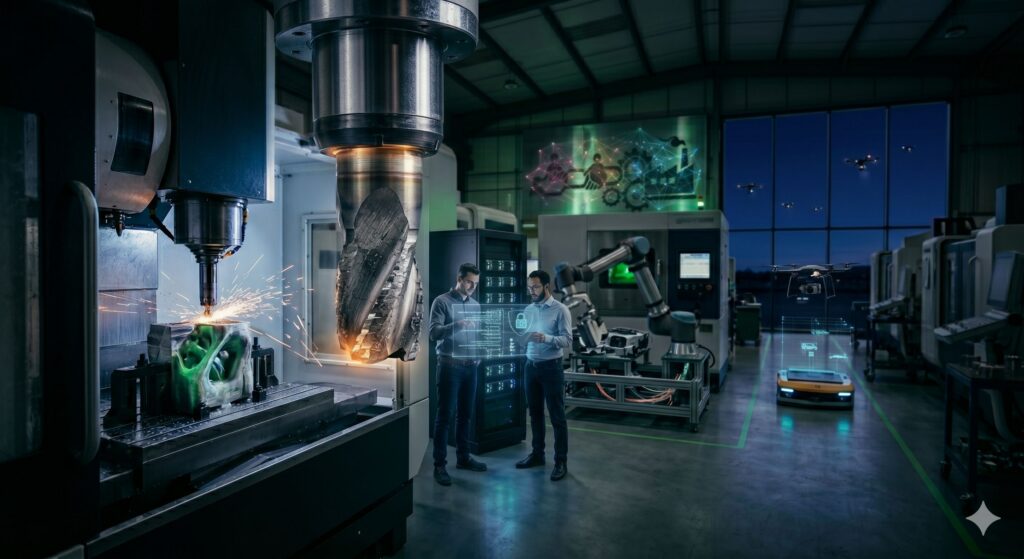
In the past, a cyberattack meant a slow computer or a leaked email database. Today, a breach in an OT network can mean a hijacked assembly line, damaged physical equipment, or severe safety hazards for human workers. Here is what you need to know about the critical world of OT cyber security.
1. IT vs. OT: Understanding the Grand Divide
To secure a smart factory, you must first understand that Operational Technology (OT) is fundamentally different from Information Technology (IT).
- Information Technology (IT): Focuses on the flow of data. It governs emails, databases, and financial records. Its primary goal is Confidentiality—keeping unauthorized eyes away from sensitive data. If an IT system is compromised, a company might isolate the network, temporarily shutting it down to patch the bug.
- Operational Technology (OT): Focuses on the flow of physical matter. It governs the Programmable Logic Controllers (PLCs), valves, pumps, and robotic arms that actually build products. Its primary goal is Availability and Safety.
In the OT world, a production line cannot simply be shut down for a routine software update. Unplanned downtime can cost millions of dollars an hour. Furthermore, if an IT system crashes, a screen goes blue; if an OT system crashes, a furnace can overheat and explode.
2. The Convergence Trap: Why Smart Factories are Targets
Historically, OT networks enjoyed a natural defense mechanism known as the “Air Gap.” Factory machines were completely disconnected from the internet and corporate office networks. If a hacker wanted to compromise a machine, they physically had to walk into the plant with a contaminated USB drive.
With the rise of smart factories, that air gap has completely vanished. To achieve real-time tracking, corporate offices (IT) must pull data directly from the shop floor (OT). This integration is called IT/OT Convergence.
While convergence unlocks incredible productivity, it also creates a digital bridge for hackers. A cybercriminal can now send a phishing email to an accountant in the corporate office, breach the IT network, and use that converged bridge to crawl down onto the factory floor, taking remote control of multi-million dollar industrial machinery.
3. The Anatomy of an OT Cyber Threat
What does an attack on a smart factory actually look like? Hackers generally target OT networks with three destructive goals in mind:
A. Industrial Ransomware
Ransomware is no longer restricted to encrypting text files. Modern attackers deploy specialized malware that locks up the human-machine interfaces (HMIs) used by operators to control the factory. With their screens frozen, manufacturers are forced to halt production entirely, costing them massive sums until a ransom is paid.
B. Intellectual Property Theft
Smart factories rely on digital recipes—automated instructions that dictate the exact chemical mixtures, cutting speeds, or structural dimensions of a product. By breaching the OT layer, corporate spies can silently steal these proprietary designs and manufacturing parameters, wiping out a company’s competitive advantage overnight.
C. Physical Sabotage
The most terrifying threat is sabotage. Attackers don’t have to break a machine to destroy it; they can simply alter its programming. By subtly changing the cooling temperature of a machine by just a few degrees or modifying the torque settings on a robotic arm, they can cause the factory to produce thousands of defective, dangerous products without the operators even noticing.
4. Shielding the Floor: Modern OT Security Strategies
Securing a smart factory requires moving away from traditional IT firewall thinking and adopting industrial-grade defense frameworks.
- Network Segmentation (The Purdue Model): Manufacturers must divide their factory networks into distinct, isolated zones. Under this architecture, the corporate internet network is strictly separated from the local plant control room, which is further separated from the actual physical devices. Data can only pass through tightly monitored, secure gateways.
- Zero-Trust Architecture: The old mindset was “trust, but verify.” The new OT mindset is “never trust, always verify.” No device, laptop, or sensor—even if it is physically plugged into the machine inside the building—should be allowed to communicate with the network without continuous authentication.
- Behavioral Monitoring: Because you cannot easily install standard antivirus software directly onto a 20-year-old industrial lathe, shops deploy passive network monitoring tools. These AI-driven systems listen to the network traffic. If a PLC suddenly tries to send data to an unknown external server at 3:00 AM, the system flags the anomalous behavior instantly.
The Bottom Line
The smart factories of tomorrow cannot be built on the vulnerable foundations of yesterday. As industrial internet connectivity becomes mandatory to survive in a competitive market, OT cyber security must transition from a niche IT headache into a core boardroom priority.
True manufacturing excellence is no longer just about how fast or efficiently you can produce a part—it is about whether you can protect the integrity of the process that builds it. In the era of Industry 4.0, safety and security are one and the same.
Please get a free quote from Harry Yen hyen@unisontek.com.tw All of us are looking forward to your good news and invite you to visit our factory in Taiwan. Welcome to send any inquiry to us! Please watch presentation of our company on YouTube Link.