When we think about solving the world’s energy crisis, our minds naturally drift to massive solar farms, towering wind turbines, and futuristic battery storage. While these technologies are vital, we often overlook the most powerful, cost-effective, and immediate resource we have: Energy Efficiency Optimization.
Often called “the first fuel,” energy efficiency isn’t about doing without; it is about doing more with less. It’s about re-engineering our homes, factories, and commercial buildings so that not a single kilowatt-hour goes to waste.
Here is a deep dive into how optimization works, why it matters, and how it is revolutionizing the way we power our world.
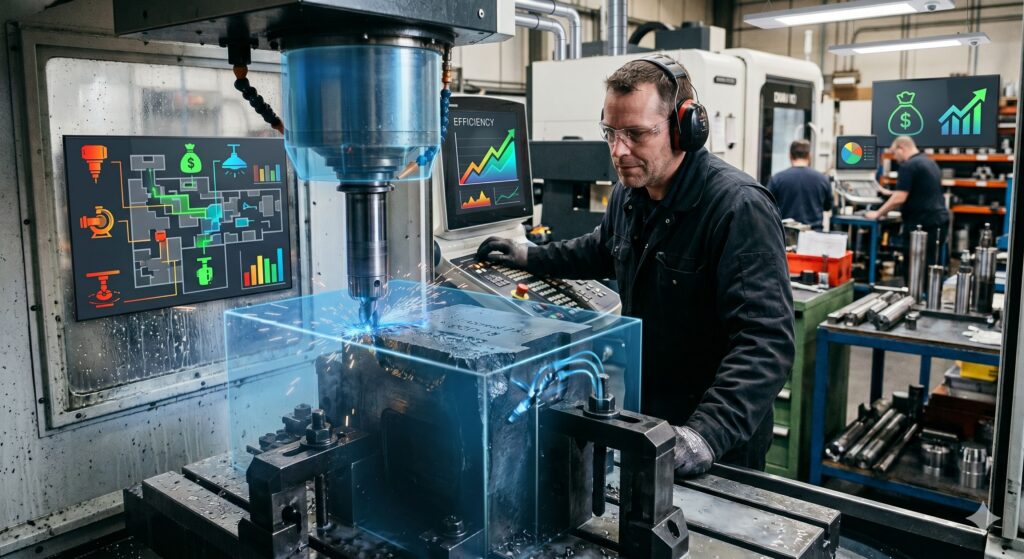
1. The Three Pillars of Energy Optimization
True energy optimization isn’t just about unscrewing an incandescent bulb and twisting in an LED. It requires a holistic approach that spans three distinct layers:
A. Operational Efficiency (Behavior & Habits)
This is the low-hanging fruit. It involves changing how and when we use energy. In a household, it’s utilizing smart thermostats to lower heating when no one is home. In a manufacturing plant, it’s scheduling energy-intensive machinery to run during off-peak hours when grid demand (and electricity costs) are lowest.
B. Technological Efficiency (Upgrades & Infrastructure)
This involves replacing legacy systems with modern engineering marvels.
- Variable Speed Drives (VSDs): Traditional industrial motors run at 100% capacity all the time, using brakes to slow things down. VSDs adjust the motor’s speed to match the actual load required, saving massive amounts of power.
- Smart HVAC Systems: Heating, ventilation, and air conditioning (HVAC) are the largest energy consumers in commercial buildings. Modern systems use multi-stage compressors and smart zoning to heat or cool only the spaces actively in use.
C. Structural Efficiency (The Envelope)
This is about preventing energy from escaping. High-performance insulation, double- or triple-pane windows with low-emissivity coatings, and reflective “cool roofs” ensure that the conditioned air you paid for stays exactly where it belongs—inside.
2. The Digital Revolution: AI and IoT Enter the Grid
The biggest leap forward in energy optimization is happening through software, not hardware. The integration of the Internet of Things (IoT) and Artificial Intelligence (AI) has turned static buildings into living, breathing, data-driven ecosystems.
In the past, facilities managers looked at an energy bill at the end of the month and guessed where the waste occurred.
Today, smart meters and IoT sensors track energy consumption in real-time across every single breaker panel, machine, and light fixture.
AI algorithms take this data a step further. They analyze weather forecasts, occupancy patterns, and historical utility rates to predict energy needs. If the algorithm knows tomorrow will be hot and sunny, it can pre-cool a building during the cool, cheap early morning hours, drastically lowering the peak demand strain on the afternoon power grid.
3. The Ripple Effect: Why Efficiency Beats Generation
Why do energy experts obsess over optimization rather than just building more power plants? It comes down to a simple truth: The cleanest, cheapest watt of energy is the one you never use.
When you generate electricity at a power plant, a significant portion of that energy is lost as heat during generation and transmission along power lines before it ever reaches your outlet. By reducing demand at the source through efficiency, you eliminate those upstream losses entirely.
Furthermore, optimizing energy reduces the immediate strain on the electrical grid. This delays or completely avoids the need for governments to build expensive new “peaker” power plants—which are often the dirtiest fossil-fuel plants used only during times of extreme demand.
4. Moving Toward a Zero-Waste Future
Energy efficiency optimization is no longer just a checkbox for corporate social responsibility; it is a core financial and operational survival strategy. As energy prices fluctuate and carbon regulations tighten, the organizations and individuals who master the art of doing more with less will be the ones who thrive.
Optimizing your energy footprint doesn’t require sacrificing comfort or halting production. It simply requires a shift in mindset—viewing energy not as an fixed overhead cost, but as a controllable resource that can be sculpted, refined, and perfected.
Please get a free quote from Harry Yen hyen@unisontek.com.tw All of us are looking forward to your good news and invite you to visit our factory in Taiwan. Welcome to send any inquiry to us! Please watch presentation of our company on YouTube Link.